Table Of Content
- What is norovirus and how do you treat it? What to know about the ‘cruise ship virus’
- The Looming Marburg Crisis: How Virus Outbreaks Escalate and Spread
- The 4 Most Common Contagious Diseases on a Cruise Ship
- These are the cruise ships with the best — and worst — sanitation scores so far this year
- Flu and other respiratory illnesses

Cruise lines are not required to compensate passengers who fall ill on a voyage; however, cruise lines will generally compensate passengers whose voyage is altered or canceled due to an outbreak. The Vessel Sanitation Program monitors vessel cleanliness, and there is no correlation between scores received and outbreaks of gastrointestinal illness. The twice-yearly exam is notoriously thorough and challenging, with scores of 85 or below considered failing. Consider the New Year’s Eve festivities held on ships around the world.
What is norovirus and how do you treat it? What to know about the ‘cruise ship virus’
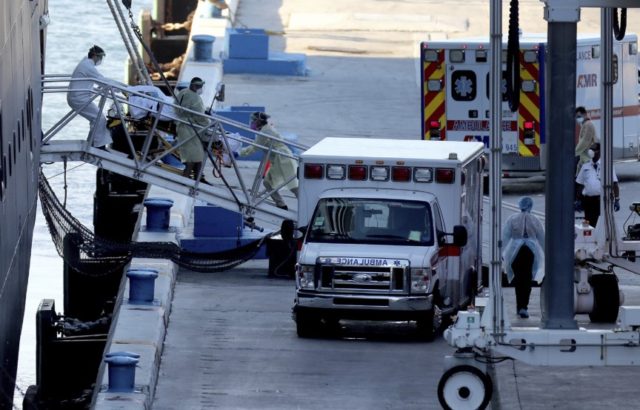
During COVID, the options for cruises were limited, but now that restrictions have been lifted, more people are deciding to take that cruise they had been putting off. According to the Cruise Lines International Association, cruise passenger volume is estimated to reach 106% of 2019 levels this year, with 31.5 million passengers expected to set sail. Both emergency and basic care are available on the ship 24 hours a day. In January 2016, the CDC issued travel guidance on affected countries and suggested using enhanced precautions and even postponing travel.
The Looming Marburg Crisis: How Virus Outbreaks Escalate and Spread
The ship project started in March 1999 with the vessel's acquisition through a donation from Balcraig Foundation (UK), which purchased the boat for US$6,5 million. Search for medical assistance - consult the ship's physician if no actions provide relief. So keep your hands clean, keep your mind clear, always hope for the best.
The 4 Most Common Contagious Diseases on a Cruise Ship
Do cruise ships have doctors? What to know about getting sick at sea. - The Washington Post
Do cruise ships have doctors? What to know about getting sick at sea..
Posted: Tue, 07 Nov 2023 08:00:00 GMT [source]
It's a very common, highly contagious, ruthlessly efficient and uncomfortably bad virus affecting the stomach and large intestines. Often called "stomach flu" (the med term is "Gastroenteritis") the infection results in massive vomiting and diarrhea. Sickness outbreaks are considered as such if the percentage of infected people is over 3%. The virus is not seasonal and usually not serious (in medical terms).
Environments Where Norovirus Spreads Quickly
Cruises are even particularly risky when compared to other types of travel, like driving or flying, because they present more opportunities for prolonged exposure. "Frankly, the risk on a two-hour flight where everyone is masked and airflow is good is [lower] than being on a cruise ship for five days straight," says Dr. Preeti Malani, chief health officer at the University of Michigan. On the fourth day of a seven-day Mexican Riviera cruise, Jesse Suphan and other passengers onboard the Carnival Cruise Line’s Panorama were denied entry at the port of Puerto Vallarta, because of the number of onboard coronavirus cases. That was the first Mr. Suphan heard about the virus spreading on the ship. Red status means there is "sustained transmission" of coronavirus or COVID-19-like illnesses on board or there is a potential for cases to "overwhelm" the ship's medical center.
The total number of infected was 2535 (of those 2450 passengers and 85 crew). In 2018, the number of reported illness outbreaks on cruise ships was 15. The total number of infected was 1177 (of those 1099 passengers and 78 crew).

Norovirus outbreaks on cruise ships surge to decade-high levels: How to avoid the stomach bug
First and foremost, wash your hands often with hot water and soap; the CDC recommends hitting the sink before and after eating and smoking, after touching your face, after using the restroom, and whenever your hands are dirty. Limit person-to-person contact as much as possible (we're not saying you absolutely must refuse the captain a handshake at his cocktail party ... just use your judgment throughout the cruise). That percentage includes cases occurring within passengers in the five-day period after disembarkation that the health agency is notified about by state or local health departments, the CDC said. On restricted voyages, or cruises carrying paying passengers, just one case among crew merits a yellow status, prompting a CDC investigation. The allure of the open sea, captivating itineraries, and the luxurious promise of a carefree escape have long made cruising a popular choice for vacationers.
Flu and other respiratory illnesses
It hits 1 in 5 people annually and is the cause of ~50% of all foodborne illness outbreaks in the USA and for ~90% of all non-bacterial gastroenteritis worldwide. This is one of the most well-known bugs that can foil fun on a ship. Norovirus — marked by diarrhea, vomiting, nausea and stomach pain — is to blame for more than 90 percent of diarrheal disease outbreaks on cruises, according to the CDC. That said, norovirus outbreaks on ships account for only 1 percent of all such reported cases. David Daigle, a spokesperson for the CDC, told USA TODAY last Tuesday that the health agency acknowledges it is "not possible" for cruising to be a zero-risk activity amid the pandemic. A person's chance at contracting coronavirus is higher on cruise ships because the virus spreads more easily between people spending time in close quarters on the vessels.
Cruise Norovirus outbreaks updates
The symptoms are nausea, vomiting, diarrhea, indigestion, abdominal cramps. The illness lasts 1 to 4 days, but some people (especially elderly) may be contagious for up to 2 weeks after recovery. Hepatitis A is yet another common virus transmitted in contaminated food, water, or fecal matter. Symptoms first appear flu-like, but left untreated, the virus can lead to severe liver damage. Food and water can be contaminated when people who handle food do not properly wash their hands after using bathrooms.
The cruise required vaccination, and approximately 96% of all 4,336 passengers and crew were reportedly vaccinated, but nobody was required to present a negative Covid test before boarding. After four days on the water, the ship reported a 27-person Covid outbreak spanning both passengers and crew. One of the passengers, the 77-year-old, died 10 days later — the first such reported death since cruises restarted in the United States in June. If you feel ill from Norovirus while on a cruise ship, visit the ship's doctor. Additionally, be sure to drink plenty of water, as dehydration is a common side-effect. If passengers report symptoms, they are typically quarantined to their cabins to prevent spreading the illness to others -- not an ideal situation, but necessary.
As post-pandemic travel surges and millions of Americans return to cruise ships, an increasing number of cruise lines are reporting outbreaks at sea. The Centers for Disease Control and Prevention has reported 13 norovirus outbreaks on cruise ships so far in 2023. The last time the industry's yearly gastrointestinal illness outbreak total was that high was back in 2016 — and it's only July.
Norovirus, sometimes referred to as the “winter vomiting bug,” is a highly contagious virus that causes gastroenteritis, an inflammation of the stomach and intestines. Named after Norwalk, Ohio, where the first outbreak was identified in 1968, norovirus can lead to severe vomiting, diarrhea, stomach cramps, and, in certain cases, even more serious consequences such as severe dehydration. Norovirus is the most common cause of gastroenteritis and foodborne illness.




No comments:
Post a Comment